
Heel spur: when your first step in the morning hurts
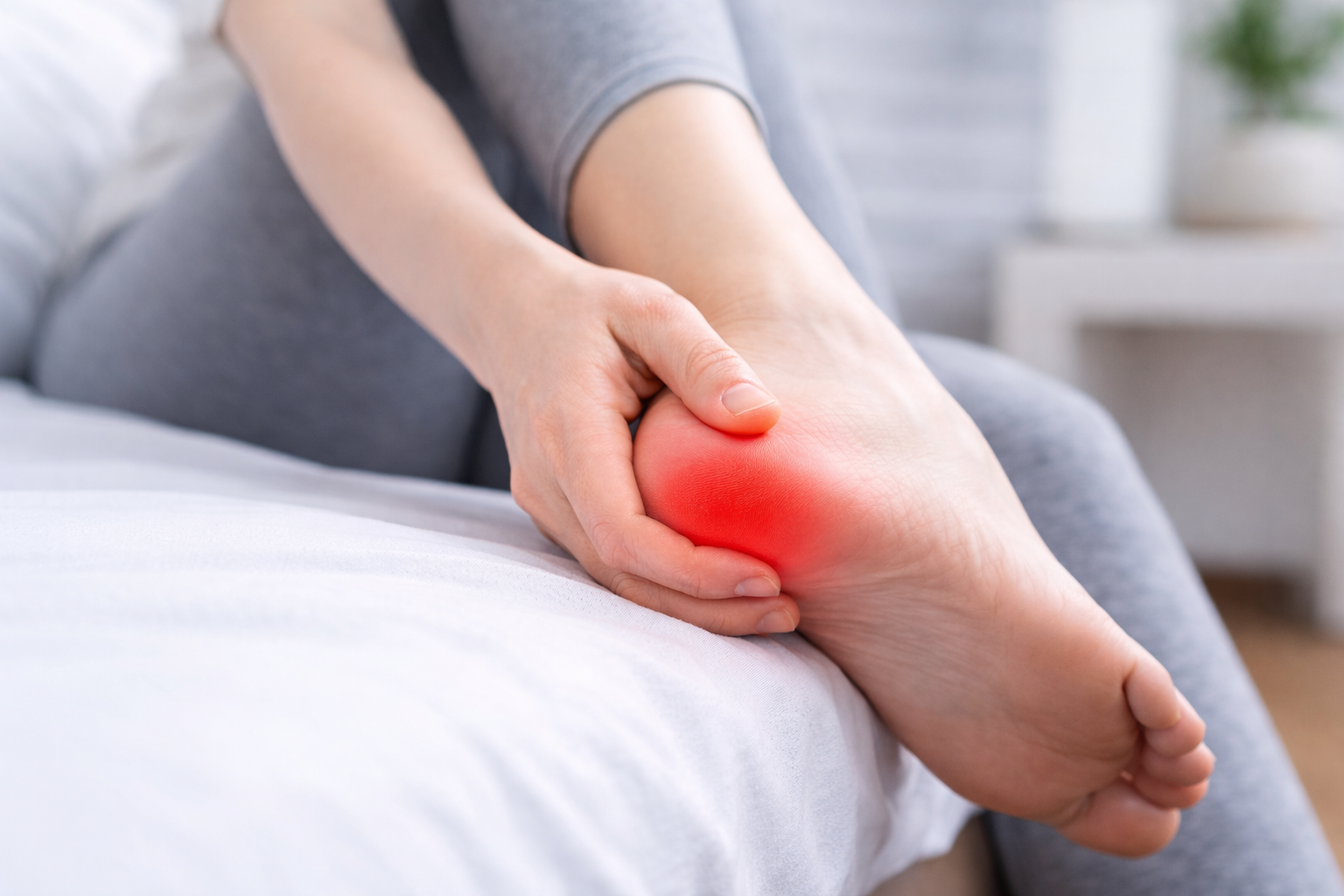
You get out of bed in the morning, take your first step… and a sharp pain shoots through your heel. After a few minutes of walking, it eases a bit, but with longer activity, the discomfort returns.
If this sounds familiar, it might be a heel spur – one of the most common causes of heel pain when walking.
What you’ll learn today:
- What a heel spur actually is
- Why it develops
- How to recognize it
- How it’s treated
- What role shoes play
What is a heel spur?
“A heel spur is a bony growth on the heel bone. It is often confused with plantar fasciitis based on symptoms – which is an inflammatory condition affecting only soft tissues, while the bone itself is still unchanged. These two conditions can only be reliably distinguished by an X-ray, and they often overlap,” explains physiotherapist Zuzana Spitzerová.
|
It’s important to know that a heel spur itself doesn’t have to hurt. |
“Pain occurs when the surrounding soft tissues – muscles, fascia and attachments – are overloaded and inflamed. A person with a heel spur can live with it for years without knowing. Problems usually appear when the load increases significantly,” she adds.
|
In other words, heel pain is often not about the bone itself, but rather a signal that surrounding tissues are chronically overloaded. |
Why does a heel spur develop?
“A heel spur doesn’t appear overnight. It is the result of long-term overload of the soft tissues in the foot and calf. If someone repeatedly puts excessive strain on their lower limbs – for example through running or hiking in overly stiff shoes – and neglects stretching or release (e.g. using a massage ball), the load on the heel gradually becomes too much,” explains the physiotherapist.
At that point, tissues in the foot and calf begin to pull more on their attachment at the heel.
“Inflammation develops, fascia and muscles pull excessively on the heel attachment and the bone responds by depositing calcium. This is when a heel spur starts to form in the true sense.”
Typically, problems occur in people who:
- suddenly increase physical load
- walk on run a lot without enough recovery
- have long-term tight calves or feet
- spend a lot of time on hard surfaces
How to recognize a heel spur
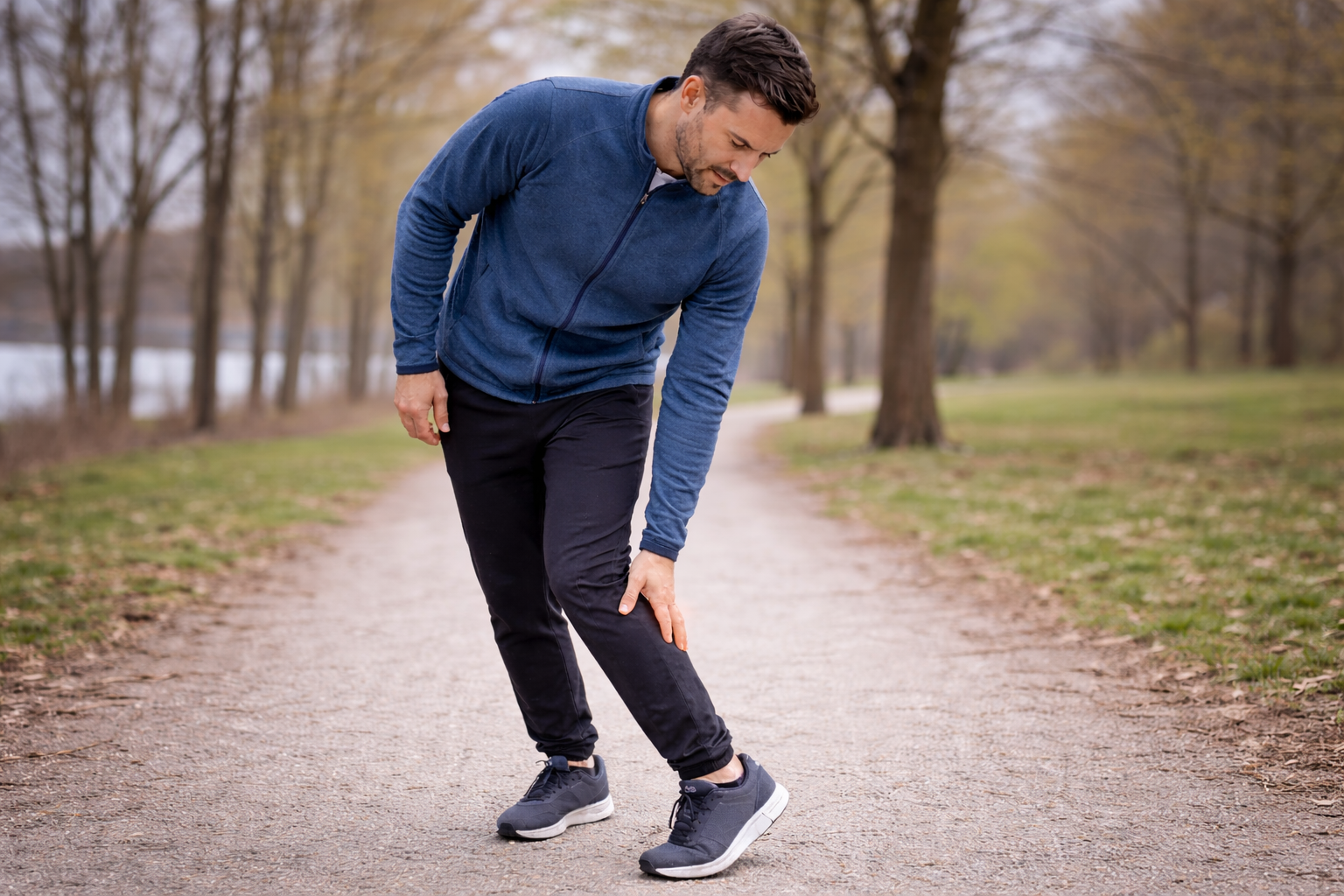
Heel pain can show up in different ways, but there are a few typical signs.
Most commonly, people describe:
- sharp pain during the first steps in the morning
- pain when stepping after sitting for a long time
- heel sensitivity during longer walks
- a “stabbing” or pressure sensation in the heel
In some people, the pain eases with movement; in others, it worsens with higher load – such as running or long walks.
If the pain persists, it’s recommended to have your foot examined. Only a specialist can reliably distinguish a heel spur from other causes.
How is a heel spur treated?
Heel spur treatment usually doesn’t target the bone growth itself. Most methods focus on the overloaded soft tissues around the heel.
Common approaches include:
- physiotherapy
- calf and foot stretching
- massage and foot rolling with a ball
- shockwave or ultrasound therapy
- temporary offloading of the heel (insoles or heel pads)
|
The goal is to reduce tissue overload, improve mobility and gradually restore the foot’s natural function. |
What role do shoes play?
Shoes can influence heel pain, but they are neither the sole cause nor a universal solution.
“Shoes play an important role, but they’re not the only factor. From a preventive perspective, barefoot shoes can be a good choice if you transition gradually, use common sense and give your foot time to adapt. You literally need to ‘learn to walk’ in them,” explains the physiotherapist.
She adds:
“When a heel spur or heel pain is already present and there is acute inflammation and pain with every step, barefoot shoes may make it worse. In such cases, a cushioned insole or gel heel pad can help relieve pressure.”
If you want to give your feet more space and natural movement preventively, barefoot shoes can be a solution – feel free to explore our women’s barefoot shoes and men’s barefoot shoes.
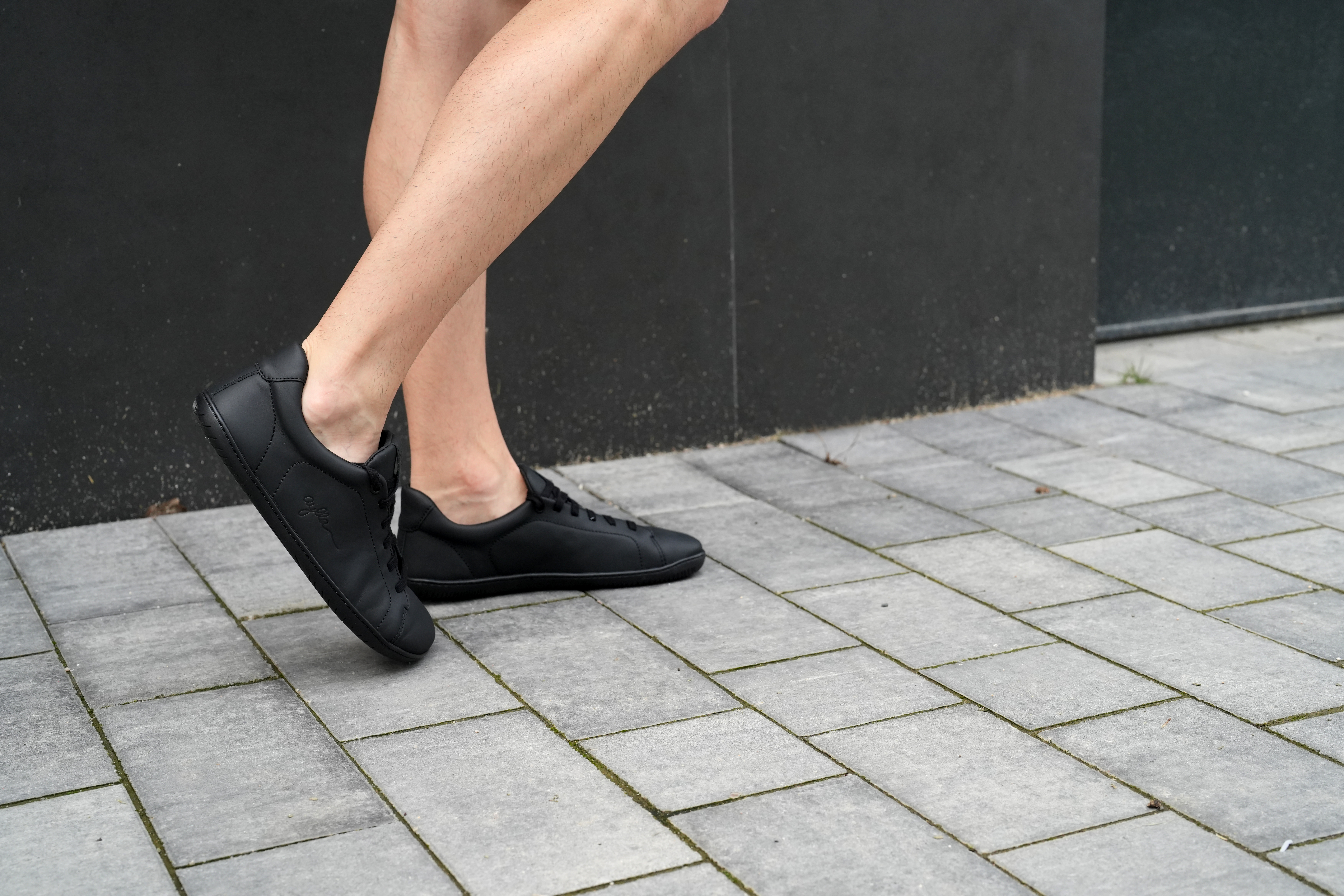
Our TIP: We’ve prepared an article on how to start with barefoot safely and gradually.
What you can do yourself
Simple steps can often help:
- regular calf stretching
- releasing the foot with a ball
- gradually increasing load instead of sudden overload
- balancing activity and recovery
- temporarily offloading the heel
It’s important to give tissues time to calm down and gradually strengthen again.
When to see a physiotherapist
The expert adds: “I believe it’s always better to come sooner rather than later. If you feel discomfort, know you’ve overdone the load and can’t manage it yourself, it’s a good idea to see a physiotherapist. They can guide you on what to do to prevent worsening and recurrence.”
Early consultation can help identify the cause and prevent heel pain from coming back.
Three myths about heel spurs
There are many “guaranteed” tips around heel spurs. Some may bring short-term relief, but don’t address the real cause.
Myth 1: Just rub the heel or use foil
These methods may sometimes bring temporary relief, but they usually don’t solve the underlying issue – overloaded soft tissues.
Myth 2: Heel spurs always require surgery
In most cases, treatment is conservative – physiotherapy, load adjustment and gradual strengthening.
Myth 3: Just change your shoes
Shoes can help, but mobility, load and recovery also need to be addressed.